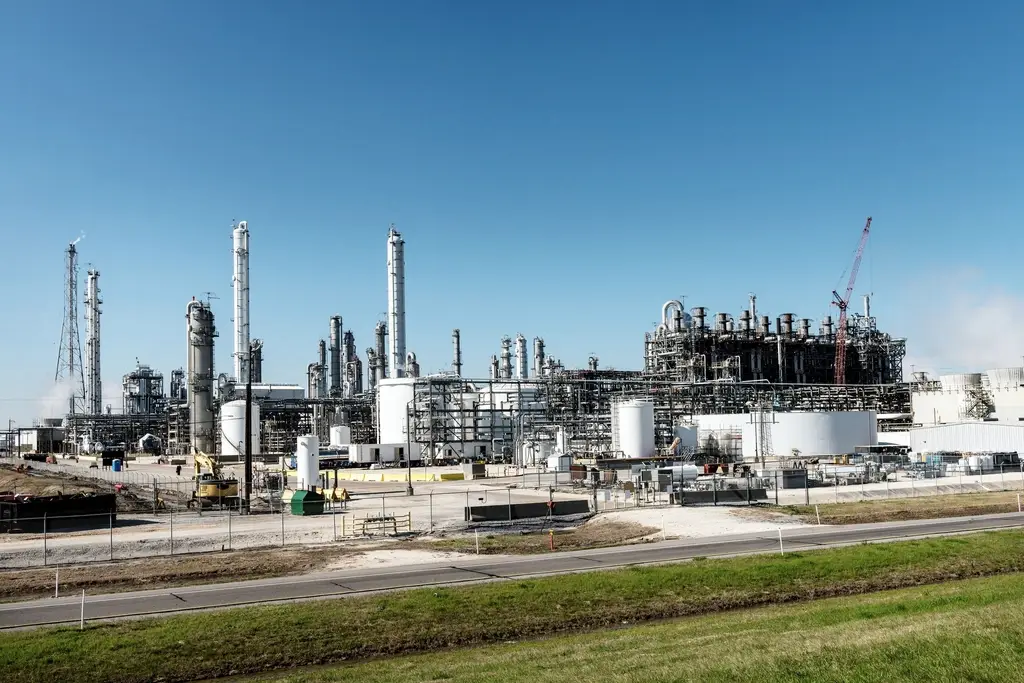
Refinery turnarounds, Group II capacity shifts and freight spreads move base oil prices long before they show up on an invoice. Here is how to read them.
Base oil pricing rarely moves on a single factor. For blenders buying on monthly or quarterly cycles, the challenge is separating short-term noise from structural change early enough to adjust contract cover.
1. Refinery maintenance calendars
Planned turnarounds at large Group I and Group II plants tighten regional availability for four to eight weeks. Tracking announced maintenance windows lets buyers secure volume ahead of the squeeze rather than paying spot premiums during it.
2. The Group I to Group II transition
As older solvent-refining units close and hydroprocessing capacity grows, the spread between Group I and Group II grades shifts. Formulators with flexibility to move between grades can capture value — provided their specifications allow it.
3. Crude and feedstock differentials
Base oil follows crude with a lag, but the relationship is not mechanical. Vacuum gasoil values and fuel-oil cracks often explain more of the margin than headline crude prices.
4. Freight and flexitank availability
For containerised supply, flexitank and container availability can add more volatility to landed cost than the product itself. Freight should be reviewed alongside product price, not after it.
5. Downstream lubricant demand
- Automotive production schedules
- Industrial output indices
- Seasonal agricultural and construction activity
The best-protected buyers are not the ones who predict prices — they are the ones who see supply tightening early and adjust cover in time.
Our trading desk shares a monthly view of these indicators with contract customers. Speak to your account manager to be added to the distribution.